Not long ago, most people in India saw cafes as something meant for big cities and expensive malls. You’d mostly see coffee chains packed with college students in Delhi, Bengaluru, or Mumbai. Now the scene looks very different. Walk through cities like Jaipur, Indore, Chandigarh, or Dehradun on a weekend evening and you’ll find cafes full of people chatting, working, clicking pictures, or waiting for takeaway orders.
Coffee has quietly become part of everyday routine for a lot of Indians. Some people stop for a cold coffee before work. Students spend hours in cafes preparing assignments. Freelancers use them like mini offices. Couples prefer cafes over crowded restaurants because the setting feels relaxed and affordable. Once you notice how regularly people visit cafes now, the business potential becomes pretty obvious.
For anyone planning to enter the food business, a coffee franchise makes far more sense than starting blindly from scratch.
An independent cafe sounds exciting in theory, but the reality is messy. You need to decide the menu, build a brand identity, hire staff, find reliable suppliers, manage interiors, create marketing campaigns, and somehow convince people to trust a completely new cafe. Many owners spend heavily during launch and then struggle to maintain regular customers after the first few months.
That’s why many first-time business owners now prefer franchises instead of building everything alone.
People already know the brand, the menu is tested properly, and daily operations feel more sorted from the beginning. Instead of learning everything through expensive mistakes, franchise owners start with a setup that already works.
That’s one of the reasons cafe franchise brands like Suto Cafe are getting attention from young entrepreneurs across India.
Cafe Culture is No Longer Limited to Big Cities
The biggest change in recent years is how quickly cafe culture has spread into smaller cities.
Earlier, people in Tier 2 cities mostly preferred traditional restaurants or local food spots. Now younger customers actively look for modern cafe spaces where they can sit comfortably, spend time with friends, or even work for a few hours.
Social media has played a huge role in this shift. People see cafe trends online every day, so expectations have changed everywhere, not just in metro cities.
In many smaller cities, people are actively looking for better cafe options, but the choices are still limited.
A good cafe in the right location can become popular surprisingly fast. Areas near colleges, office spaces, shopping markets, and residential hubs usually attract consistent footfall throughout the day. Unlike businesses that depend only on weekends, cafes often stay active from morning till late evening.
Why People Keep Coming Back to Cafes
This is where many people misunderstand the cafe business.
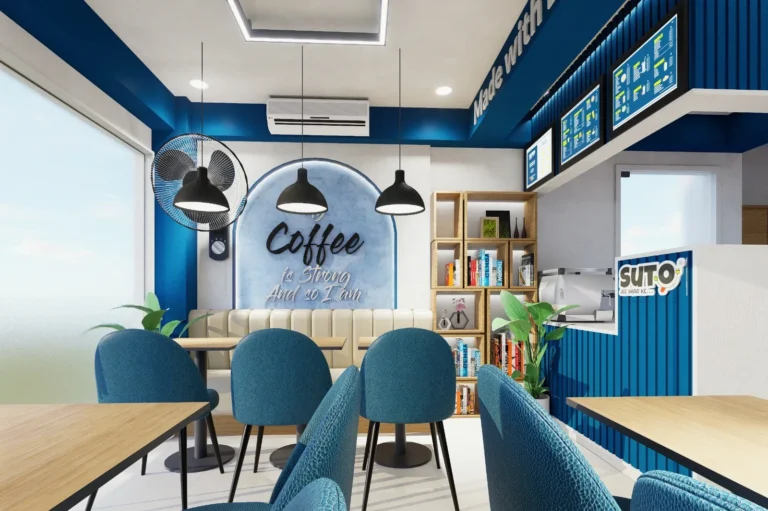
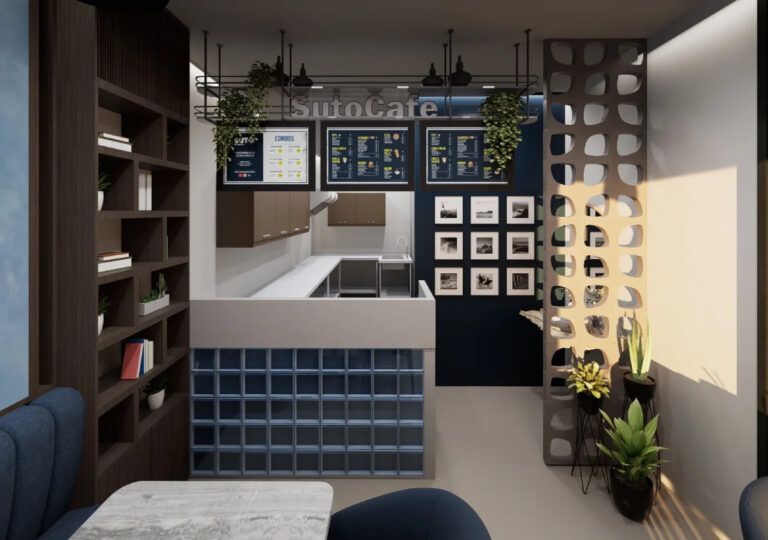
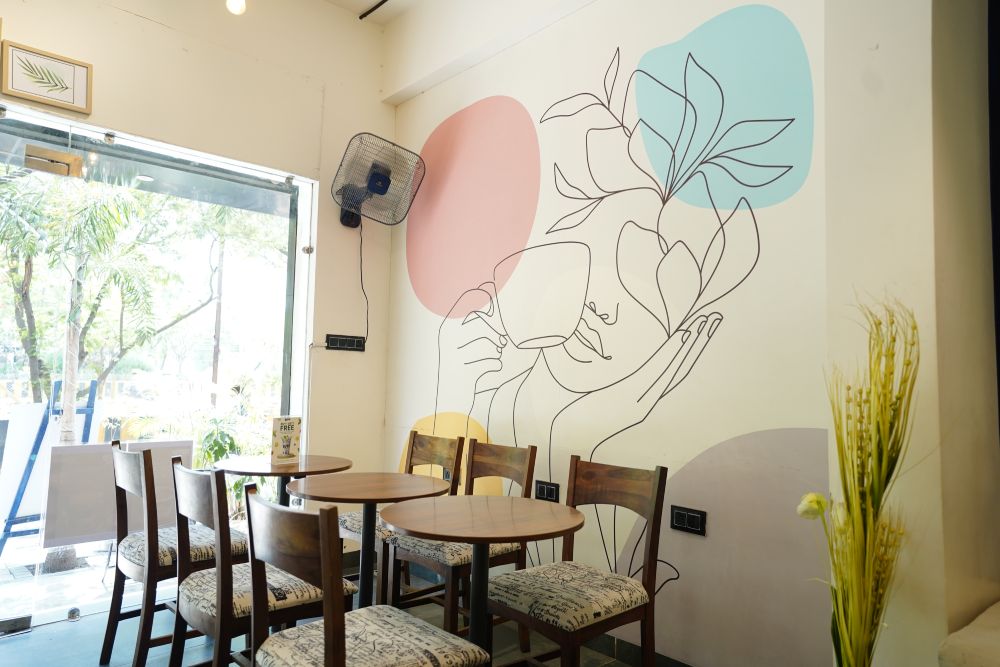
A successful cafe isn’t selling only coffee. It’s selling experience, comfort, convenience, and atmosphere together. People choose cafes because they want a place where they can sit without feeling rushed. Good lighting, music, clean interiors, comfortable seating, and quick service all matter as much as the menu.
That’s also why branding has become so important.
When customers find a cafe they genuinely enjoy, they return again and again. Some even turn it into their regular daily stop. A strong cafe brand builds familiarity, and familiarity builds trust. In the food business, repeat customers matter more than one-time visitors.
A lot of cafes actually become neighborhood hangout spots within a few months if the atmosphere feels right.
Social media adds another advantage. Customers naturally post cafe photos, drinks, desserts, and interiors online. One well-designed cafe corner can end up bringing free promotion every single day through Instagram stories and reels.
A Franchise Makes Operations Easier
Running a food business looks simple from the outside, but daily operations can become exhausting very quickly.
Even a small cafe becomes stressful if inventory starts running out, staff keeps changing, or customers stop getting the same taste every visit. Billing systems, kitchen coordination, customer handling, online delivery orders, supplier management, and hygiene standards all need attention every day.
Managing all of this alone can become exhausting pretty quickly, especially for first-time owners.
Instead of building systems from zero, franchise owners usually receive operational guidance and business support from the brand. For first-time entrepreneurs, this removes a huge amount of confusion and saves time that would otherwise be spent fixing avoidable mistakes.
It saves owners from wasting months figuring out problems other cafes have already solved.
Cafes Create Multiple Income Streams
One reason the cafe industry stays attractive is because earnings come from different directions throughout the day.
Morning customers may order coffee and sandwiches before work. Afternoon visitors often buy snacks or cold beverages. Evening groups usually spend more on combos, desserts, burgers, fries, or shakes. On top of that, online delivery platforms continue bringing orders even during slower dine-in hours.
That variety helps cafes maintain steady sales.
A lot of modern cafe businesses in India now combine coffee with fast food and snack options because customers prefer having more choices in one place. The broader the menu, the better the chances of increasing average customer spending.
Smaller Investment Models Are Changing the Industry
Earlier, people assumed opening a cafe required massive investment and a huge commercial space. That’s no longer true.
Many modern coffee franchise models work well even with compact setups. Some focus more on takeaway and delivery, while others balance seating with fast service. This flexibility has opened opportunities for younger entrepreneurs who want to start a business without investing enormous amounts in the beginning.
In smaller cities especially, a well-managed mid-sized cafe can perform extremely well if the location and customer experience are right.
Why Many Entrepreneurs Are Looking at Suto Cafe
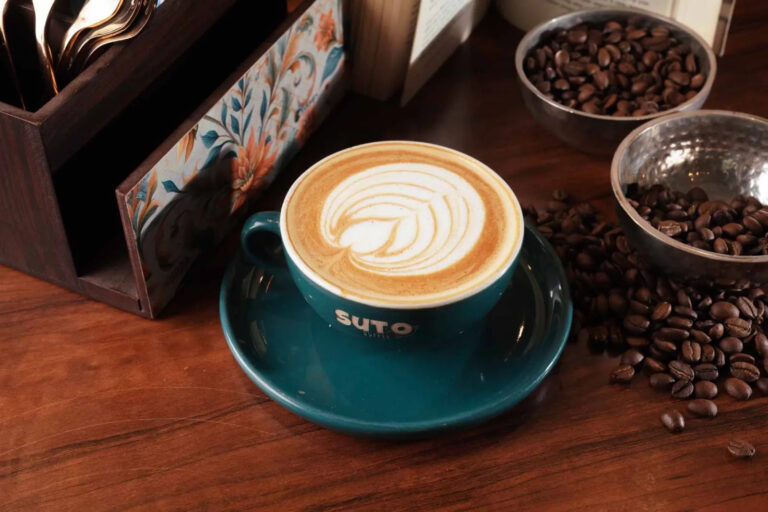
Suto Cafe has built its identity around the kind of cafe experience modern Indian customers actually enjoy. The focus isn’t only on beverages. The brand combines coffee, food, comfortable ambiance, and customer-friendly service in a way that feels approachable for everyday visitors.
For franchise partners, that matters because customer retention is what keeps a cafe business stable over time.
The Indian cafe industry still has plenty of room to grow, especially in developing cities where demand is rising much faster than quality cafe availability. Right now, the cafe industry still feels far from saturated, especially in growing cities where people actively look for better places to eat, work, and spend time.
In many smaller cities, a good cafe near a college or coaching hub becomes popular surprisingly fast. Students may not spend huge amounts individually, but they return almost every day.