A customer walks into a café on Monday, orders a cappuccino and takes a short break. A few days later, they’re back with a colleague. The next weekend, they bring a friend. Nothing special happened on that first visit. The coffee was good, the order came on time and there was a comfortable place to sit. That was enough for the café to get a second chance. If you’re researching the best coffee shop franchise, pay attention to what makes someone choose the same café again a few days later.
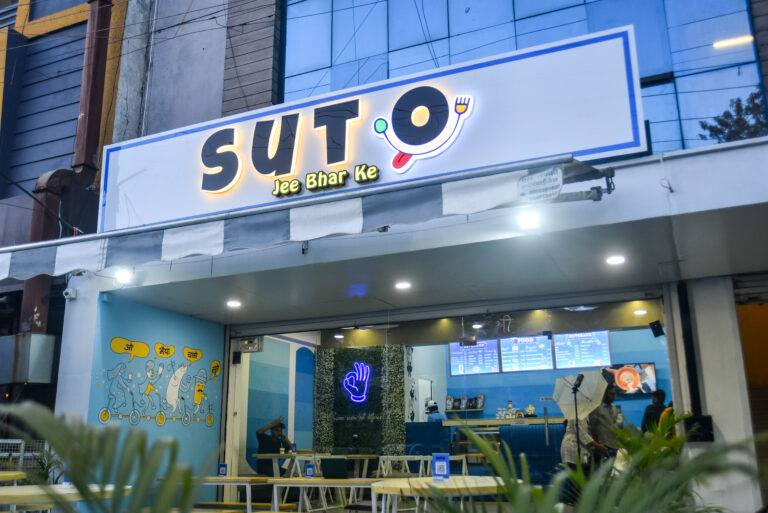
Getting someone through the door is only half the job. Customers notice how the drink tastes, how staff handle the order, how long they wait and even whether their favourite item is in stock. A well-known brand might bring in a first visit, but what happens inside the café influences the next one. SUTO Café, with its coffee, cold beverages, snacks and desserts, offers an example of how these everyday details fit together.
1. Consistent Taste Gives Customers a Reason to Return
People go back to a café because they know what they’ll get. If you enjoyed a cappuccino on Monday, you expect much the same on Friday. When the coffee tastes different every time, customers start looking elsewhere.
Consistency isn’t only about ingredients. Coffee measurements, brewing method, milk temperature, preparation time and serving size all change the final drink. Staff need clear recipes and enough training to follow them in quiet hours as well as rush hours.
Food works the same way. Someone ordering a chocolate waffle shouldn’t have to wonder how it will turn out this time.
Franchise systems can help here with standard recipes and operating instructions. SUTO Café lists a recipe playbook and staff training among its franchise support. That’s a good starting point, but the real experience still depends on whether the team follows the process every day.
2. A Menu That Suits Different Moods
People visit cafés for different reasons. One wants a hot coffee before work. Another is meeting a friend over cold coffee and fries. Someone else just wants a shake and a dessert, no coffee at all.
A menu with something for each mood gives people more reasons to drop in. SUTO Café’s published menu includes cappuccino, Americano, cold coffee, frappes, shakes and smoothies, plus food and desserts. That range lets customers with different tastes find something they like.
More items aren’t always better, though. A huge menu confuses customers and puts pressure on the kitchen. Too few choices, and a group may struggle to find something everyone wants.
A café near a college might sell more cold drinks, quick snacks and affordable combos. An outlet in a business district may get more orders during morning and afternoon breaks. Check nearby cafés and talk to potential customers before deciding which items deserve a place on your menu.
Before signing, ask which menu items are fixed and how much freedom you’ll have to respond to local demand. A cold coffee that sells well near a college may not be as popular in an office area.
3. Friendly Service Without Unnecessary Waiting
Good service doesn’t need a long chat. Often it’s just a greeting, a quick answer about the menu and an order that comes out right.
Small mistakes do affect the visit. A customer asks for a hot cappuccino and gets a cold drink. Someone waits far longer than expected with no update. A takeaway bag is missing an item. These things happen.
What matters is how staff respond. An apology and a quick replacement may be all it takes to put things right. Leaving the customer waiting or arguing over a simple mistake can turn a minor problem into a lost customer.
Waiting time matters too. Someone on a short office break has little patience for a slow queue. Friends catching up may be more relaxed, but they still expect reasonable service. Good staff scheduling, clear order-taking and an organised prep area make a real difference at peak hours.
When assessing a franchise, ask what staff training covers. Employees should know how to get orders right, speak to customers, follow hygiene rules and handle complaints. A beautiful café doesn’t help much if service falls apart whenever several orders arrive together.
4. A Comfortable Space Encourages Customers to Stay
Some people come in for a takeaway coffee. Others want a place to study, work for an hour or catch up with friends. The space has to fit the purpose.
Lighting, seating, cleanliness, noise and table layout all shape how comfortable a customer feels. A table right beside the ordering counter is a poor spot for an online meeting. A hard chair is fine for a quick stop but not for a long stay.
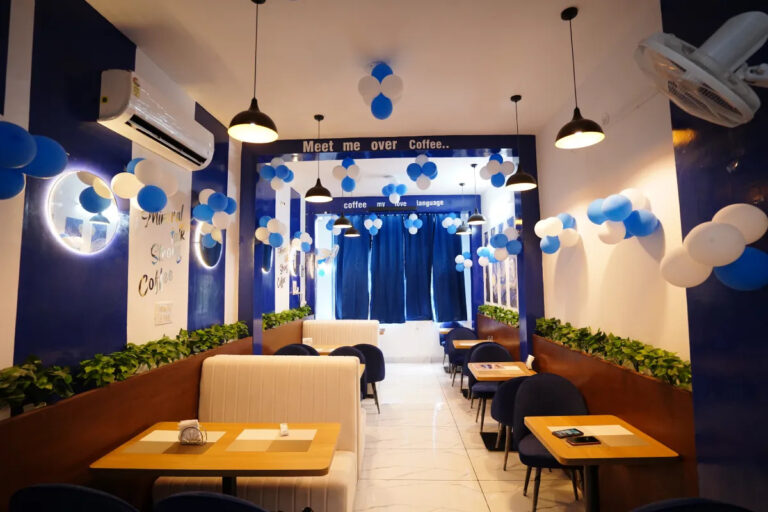
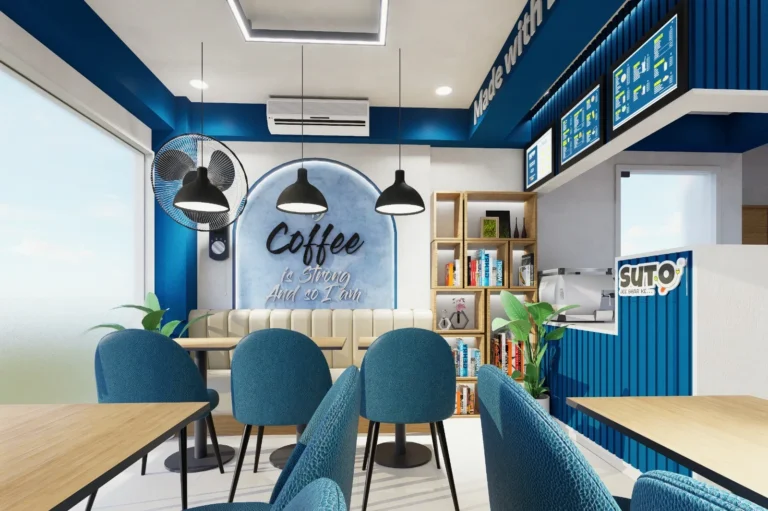
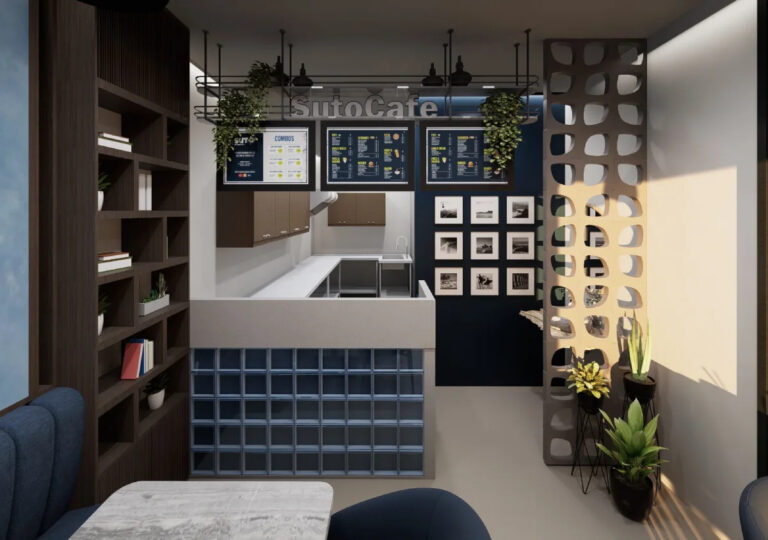
Location and format matter here as well. A compact counter-service café suits people grabbing a drink on the way to work or college. A larger café with seating is better for those who want to linger.
SUTO Café offers different formats: a Smart Model for compact spaces, a Café Model with seating and a larger SUTO Prime format. Each suits a different space. Pick based on your local audience and the experience you want to offer, not just because it’s the biggest outlet on the list.
You don’t need fancy interiors to make people comfortable. Clean tables, seats that work, a tidy counter and a place where people can talk without shouting are a good start.
5. Fair Pricing Helps Build a Regular Customer Base
Customers weigh the price against what they get. A drink feels expensive if the serving is small, the wait is long or the visit is disappointing. The same price feels fair when the taste, service and setting live up to expectations.
Before setting prices, look at what nearby cafés charge for similar drinks and snacks. A student-heavy area may need affordable combos, while an office location might have more customers willing to pay for a quick takeaway. Check what people actually buy rather than assuming everyone nearby has the same budget.
Discounts can bring people in, but constant offers aren’t the only way to get repeat visits. Clear prices, steady portions and a good experience give people a reason to return without waiting for the next deal.
Before signing, look at the brand’s menu pricing, which promotions are allowed and how local marketing works. Find out which decisions you can make yourself and which must follow brand rules.
6. Remembering Regular Customers Makes the Visit Feel Personal
A café starts to feel familiar when customers feel recognised. Staff might remember a regular’s usual order, know that someone likes less sugar or simply greet a face they see several times a week.
Little moments like these make a visit feel less like a transaction. Staff don’t have to know every name. A polite hello, patience while someone decides and attention to a repeat order often do the job.
Digital tools can help too. A loyalty programme, for instance, may nudge people to pick the same café when they want coffee nearby. But the offer has to be easy to understand and worth using. A complicated rewards scheme won’t excite anyone.
Franchise owners should ask which customer-management or loyalty tools the brand provides and how they’re meant to be used. SUTO Café lists POS and technology support among its franchise provisions. Confirm which features come with your chosen format and what terms apply.
Technology can speed up ordering and tracking. It can’t replace a helpful person or a properly made drink.
7. Cleanliness and Reliability Matter More Than Occasional Promotions
Customers forgive a small delay now and then. Dirty tables, sticky counters, a poorly kept washroom or careless food handling are much harder to forgive. Cleanliness needs a routine. Check tables between customers, wipe prep surfaces when needed, store ingredients properly and clear waste before it piles up. Staff should know exactly who is responsible for which task, especially on busy shifts.
Reliability covers opening hours, menu availability and takeaway orders too. Someone stopping for coffee before work needs to know the café will be open. A customer who wants their favourite drink shouldn’t keep finding it unavailable with no explanation.
Franchise operating procedures give you a framework for all this, but the outlet team has to follow it. Owners need to check daily operations instead of assuming training alone will keep standards up.
A promotion may get attention for a day or two. A clean café and dependable service decide what customers remember next time.
How to Tell Whether Customers Want to Come Back
A busy café doesn’t always mean loyal customers. Some people may be trying it for the first time, and others may be there for a one-off offer. Owners need to watch patterns over time.
A few simple checks show what’s going on:
- Repeat visits: Are customers coming back during the week or month, or only once?
- Popular menu items: Which drinks and food sell regularly? Which ones often go unsold?
- Customer feedback: Do complaints point to taste, waiting time, pricing, cleanliness or staff behaviour?
- Order accuracy: How often does the team have to fix an order?
- Busy periods: Are queues manageable at the hours when most customers come?
- Loyalty activity: If there’s a loyalty programme, are people using it more than once?
Online reviews are useful when the same complaint keeps appearing. If several customers mention slow service, check the queue during busy hours. If people complain about a particular drink, review how the team prepares it.
You can also ask customers a simple question while serving them. Find out what they usually order or whether they had to wait longer than expected. Their answers may point to a problem worth fixing.
What Should You Look for in the Best Coffee Shop Franchise?
A franchise owner has to think about the customer experience as well as the business deal. When choosing the best coffee shop franchise, look at the menu, recipes, staff training, supply arrangements, operating procedures and support after opening. If you can, visit existing outlets and watch how they cope with busy periods. Don’t judge a café by its looks alone.
SUTO Café offers multiple outlet formats, but the support available depends on the format and franchise agreement. Check which services are included and what conditions apply before committing.
What matters is how these systems work in practice. Ask how staff are trained, how ingredient supply is managed and what help you get when an outlet runs into trouble. Talk to existing franchise partners if you can, and get clear answers before you commit.
Coffee quality, service and cleanliness may sound like small details, but customers notice when they go wrong. Get these basics right, and people have a good reason to choose your café again.
FAQs
What makes customers return to the same café?
Mostly the basics: food and drinks that taste the same each time, friendly service, short waits, fair prices and a comfortable atmosphere. Reliable opening hours and favourite items being in stock count too.
How can a café improve customer loyalty?
Get the basics right first. Keep drink quality steady, train staff to handle orders properly, keep the outlet clean and deal with complaints. Loyalty programmes and offers can encourage repeat visits, but they work best when people already enjoy the café.
Does a café need a large menu to attract repeat customers?
No. A smaller menu of well-made, popular items often works better than a big one that’s hard to manage. The right size depends on what customers want, where the outlet is and whether the kitchen can keep quality up.
How does staff training affect customer experience?
Trained staff make drinks more consistently, follow hygiene rules, manage orders and handle concerns calmly. Training also shows new employees what service standard the outlet expects.
How can a coffee shop franchise owner understand customer preferences?
Look at sales reports, collect feedback, watch busy periods and track what people order most. Talking to customers directly can also show what they like, what annoys them and what they’d like to see on the menu.
What should I check when choosing the best coffee shop franchise?
Review the menu, recipe standards, training, supply arrangements, operating procedures and ongoing support. Visit existing outlets and speak with franchise partners if possible. Read the franchise agreement carefully so you know what each side is responsible for.
How does SUTO Café support a consistent customer experience?
SUTO Café lists standardised recipes, staff training, supply-chain coordination, marketing resources and POS technology among its franchise support. Confirm which services apply to your chosen outlet format and agreement.